Explainer
Vinyl types for cutting machines
Published
Short answer
Permanent adhesive vinyl is for mugs, signs and outdoor items; removable vinyl peels off cleanly for walls and temporary decor; heat transfer vinyl (iron-on) bonds to fabric with heat and is cut mirrored. Printable vinyl goes through an inkjet first. Cricut Smart Materials are backed to feed matless in Maker 3, Explore 3, Joy and Joy Xtra, while roll-fed plotters cut standard vinyl from the roll.
Gear for this job
All 6 picks compared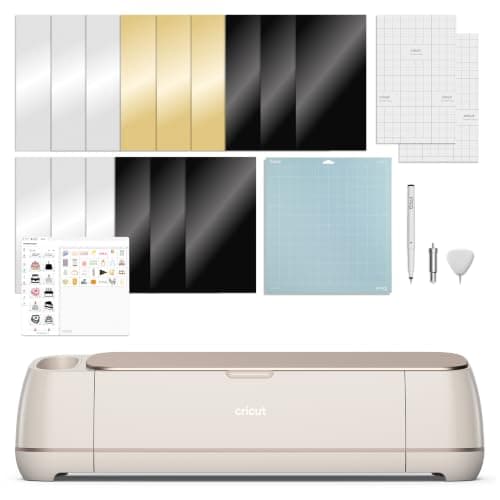
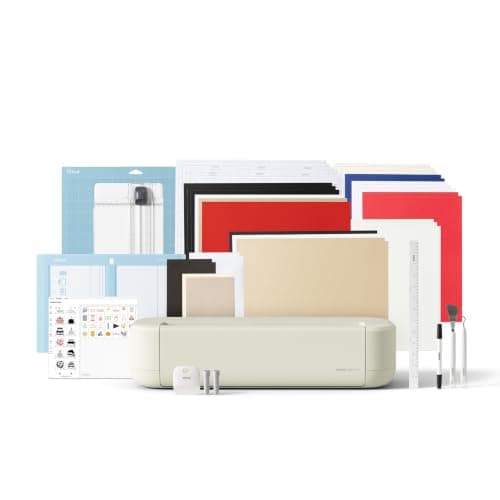
Cricut Maker 4: matless vinyl in the sampler
See price on AmazonSee it on Amazon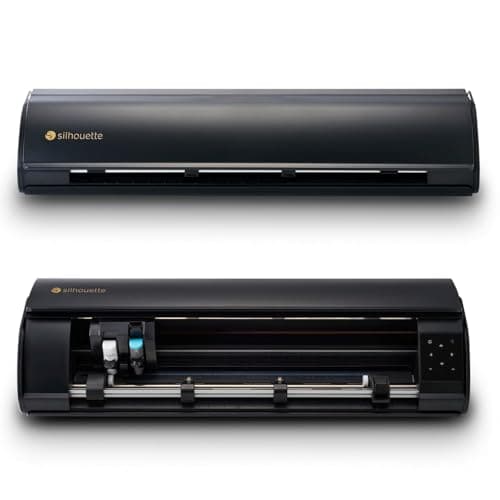
Silhouette Cameo 5 Alpha Plus: 15 in, AutoBlade
See price on AmazonSee it on Amazon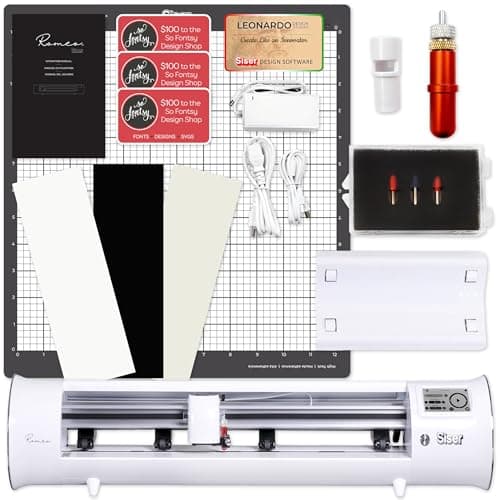
Siser Romeo 24 in: roll feeder, 45 and 60 degree blades
See price on AmazonSee it on Amazon
The word vinyl covers several quite different materials. They look alike on the roll, but the adhesive, the backing and how you apply them differ, and choosing the wrong one is the most common reason a decal peels off a tumbler or will not come off a wall. This page is for crafters buying vinyl for a Cricut, Silhouette or vinyl plotter. It explains each type, what it is for, how to cut it, and which machines can run it straight from the roll without a mat.
Adhesive vinyl versus heat transfer vinyl
Adhesive vinyl is a thin film with a pressure-sensitive glue on the back, sitting on a paper liner. You cut the film, weed away the waste, lift the design with transfer tape and press it onto a hard, smooth surface. It is cut right-reading, with the colored side up.
Heat transfer vinyl, often called HTV or iron-on, has a heat-activated adhesive and a clear plastic carrier on top. You cut it from the back, so the design must be mirrored, with the shiny carrier side down on the mat. After weeding, you press it onto fabric with an iron or heat press and peel away the carrier. Our how to apply iron-on vinyl guide covers the pressing step.
The main vinyl types
| Type | Best for | How it is applied | Notes |
|---|---|---|---|
| Permanent adhesive | Mugs, tumblers, car windows, outdoor signs | Transfer tape, pressure | Hand wash items; durability varies by brand |
| Removable adhesive | Walls, stencils, seasonal decor, labels | Transfer tape, pressure | Peels off cleanly within the maker's stated time |
| Heat transfer (HTV) | Shirts, bags, hats, fabric | Heat and pressure | Mirror the design; shiny side down |
| Specialty HTV | Glitter, stretch, flock, holographic | Heat and pressure | Follow the maker's temperature and peel |
| Printable vinyl | Stickers, printed labels, full-color decals | Print, then cut with registration | Inkjet or laser, check the package |
| Smart Vinyl (Cricut) | Matless cutting on Smart Material machines | Same as adhesive vinyl | Has a stiffer backer sized for the machine |
Permanent and removable adhesive vinyl
Permanent vinyl uses a stronger, solvent-based adhesive and a thicker film. It is meant to stay put on items that will be handled, washed or exposed to weather. Most permanent craft vinyl is rated for hand washing rather than the dishwasher, and outdoor life depends on the brand and the sun. Read the maker's ratings rather than assuming.
Removable vinyl uses a weaker adhesive so it comes off without residue for a period the maker states. It is the right choice for wall decals in rentals, painting stencils and seasonal window decor. It can lift on textured surfaces or in heat, so it is a poor choice for mugs. Both types cut with the same fine point blade at a vinyl setting; choose the matching material in your software and run a test cut. Our cut settings finder gives the blade and mat for each machine.
Heat transfer vinyl and its variations
Standard HTV is a smooth, thin film that works on cotton, polyester and blends. Stretch HTV moves with performance fabric. Glitter HTV is thicker and often needs more pressure or the deep point setting on some machines. Flock has a soft raised texture. Each one has its own pressing temperature, time and peel, set by the maker.
Use the manufacturer's instructions for heat settings. Our heat press settings tool lists the published numbers for common Siser and Cricut transfers, and the Cricut heat press temperature guide explains how to read them. If you are deciding between HTV and other transfer methods, see HTV vs sublimation vs Infusible Ink.
Note.Always mirror iron-on designs before cutting and place the shiny carrier side down. Cutting unmirrored is the most common wasted-sheet mistake.
Which machines cut vinyl without a mat
Mats hold standard vinyl flat. Some machines can skip the mat. Cricut Smart Materials, including Smart Vinyl and Smart Iron-On, have a stiffer backer and come in widths sized for matless feeding in the Cricut Maker 3 and later, Explore 3 and later, Joy and Joy Xtra. Standard vinyl without that backer still needs a mat on Cricut machines.
Silhouette Cameo 4 and Cameo 5 machines have a built-in roll feeder and cut regular vinyl from the roll without a mat; older Cameos can feed roll vinyl with more care. Roll-fed vinyl plotters are built to cut from the roll and never use a mat. They are the most efficient choice when you cut a lot of vinyl, as explained in how a vinyl cutter works.
| Machine | Matless vinyl? | Material needed |
|---|---|---|
| Cricut Maker 3 and Explore 3 or later | Yes | Cricut Smart Materials |
| Cricut Joy and Joy Xtra | Yes | Joy-size Smart Materials |
| Cricut Maker (first), Explore Air 2 | No | Any vinyl on a mat |
| Silhouette Cameo 4 and 5 | Yes | Standard roll vinyl |
| Roll-fed vinyl plotter | Yes | Standard roll vinyl |
Buying vinyl for your projects
Buy rolls in the width your machine handles. A 12 inch roll fits most Cricut and Silhouette machines; Joy machines need narrower material; plotters take wider rolls. Sample packs are a good way to learn how different brands weed and stick before buying long rolls.
For decals and signs, our best cutting machine for vinyl decals guide compares machines by roll width and matless cutting. For shirts, see best cutting machine for T-shirts.
Frequently asked questions
What is the difference between permanent and removable vinyl? The adhesive. Permanent vinyl bonds strongly for mugs, signs and outdoor use. Removable vinyl peels off cleanly for walls and temporary decor.
Can I use regular vinyl in a Cricut Maker 3 without a mat? No. Matless cutting on Cricut needs Smart Materials. Regular vinyl goes on a StandardGrip mat.
Is iron-on the same as heat transfer vinyl? Yes. Cricut calls it iron-on; most other brands call it HTV or heat transfer vinyl.
Can a vinyl plotter cut iron-on? Yes. Plotters cut adhesive vinyl and heat transfer films from the roll. Mirror HTV designs the same way you would on a craft cutter.
What you need for this
- See price on AmazonAmazon
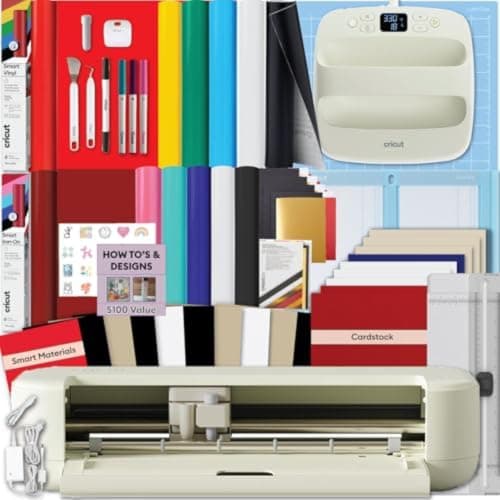
Cricut Maker 4: leather and wood, engraves and debosses
 See price on AmazonAmazon
Cricut Explore 5 + EasyPress 9x9: 12 in cutter and press
From Best cutting machines for making T-shirts with iron-on and HTV
 See price on AmazonAmazon
Cricut Explore 5: scores and writes, 12 in width
From Best Cricut machines, from Joy 2 and Joy Xtra to Maker 5