Comparison
HTV vs sublimation vs Infusible Ink
Published
Short answer
HTV is a vinyl layer glued onto almost any fabric, including cotton and dark colors. Sublimation and Infusible Ink both turn dye into a gas that bonds with polyester or a polymer coating, so the design becomes part of the blank with no feel, but they only work on light polyester or coated blanks. Use HTV for cotton and dark shirts, and sublimation or Infusible Ink for full-color or no-feel designs on compatible blanks.
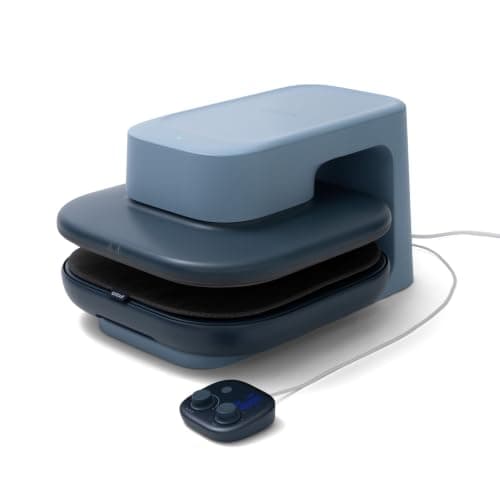
Cricut
Cricut AutoPress 2 15x15: 220 lbs, 410°F, Bluetooth
See price on Amazon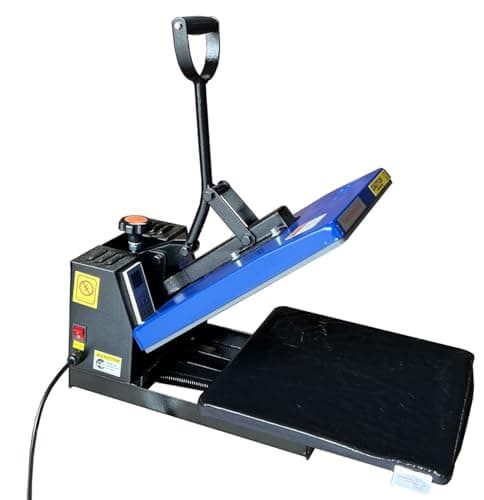
Fancierstudio
Fancierstudio FS15x15A: slide-out clamshell to 500°F
See price on Amazon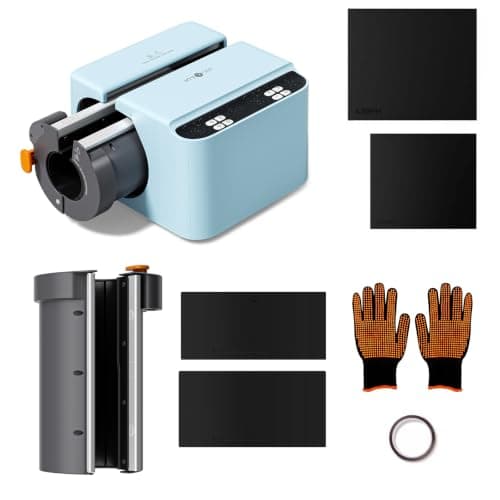
HTVRONT
HTVRONT A200 Pro Kit: auto press for tumblers and mugs
See price on Amazon
- Cricut AutoPress 2 15x15: 220 lbs, 410°F, Bluetooth
- Plate size
- 15 x 15 in
- Max temp
- 410°F
- Timer
- Customizable (range not stated)
- Pressure
- Adjustable up to 220 lbs
- Fancierstudio FS15x15A: slide-out clamshell to 500°F
- Plate size
- 15 x 15 in
- Max temp
- 500°F
- Timer
- 0 to 999 s
- Pressure
- Not stated
- HTVRONT A200 Pro Kit: auto press for tumblers and mugs
- Plate size
- -
- Max temp
- 390°F (200°C) in 4 minutes
- Timer
- 4 custom modes
- Pressure
- Adjustable
| Pick | Plate size | Max temp | Timer | Pressure | Price | Link |
|---|---|---|---|---|---|---|
| Cricut AutoPress 2 15x15: 220 lbs, 410°F, Bluetooth | 15 x 15 in | 410°F | Customizable (range not stated) | Adjustable up to 220 lbs | - | Amazon |
| Fancierstudio FS15x15A: slide-out clamshell to 500°F | 15 x 15 in | 500°F | 0 to 999 s | Not stated | - | Amazon |
| HTVRONT A200 Pro Kit: auto press for tumblers and mugs | - | 390°F (200°C) in 4 minutes | 4 custom modes | Adjustable | - | Amazon |
Facts are taken from each Amazon listing. Prices are checked daily and shown with their date.
Verdict
Use HTV for cotton and dark garments, sublimation for full-color designs on light polyester and coated blanks, and Infusible Ink if you want the no-feel result with only a Cricut. The Cricut AutoPress 2 lists all three methods on a 15x15 plate, the Fancierstudio 15x15 is the budget flat option, and the HTVRONT A200 Pro covers mugs and tumblers.
If you own a Cricut or Silhouette, you will see three ways to put a design on a shirt or mug: heat transfer vinyl, sublimation and Cricut Infusible Ink. They are often sold side by side, but they work differently and need different blanks. This page explains how each one bonds, what it needs, how it looks and washes, and which press setups suit it, so you choose the method before you buy the press or the blanks. For a deeper look at Cricut's system, see what is Infusible Ink.
How each method bonds
HTV (heat transfer vinyl, Cricut calls it iron-on) is a thin film with heat-activated adhesive. You cut it mirrored, shiny carrier side down, weed away the extra and press it. The adhesive melts into the fabric surface and the vinyl sits on top. It works on cotton, polyester and blends, in any color.
Sublimation uses special sublimation ink printed on sublimation paper with a dedicated printer. Under heat, the dye goes from solid to gas and enters polyester fibers or a polymer coating. When it cools, the color is locked inside. It allows full-color, photo-style designs.
Infusible Ink is Cricut's packaged version of the same dye process. It comes as transfer sheets you cut and weed on a Cricut, and as pens and markers. Like sublimation, it needs polyester or a compatible coating, and it is transparent, so it needs a white or light blank.
Side-by-side comparison
| HTV / iron-on | Sublimation | Infusible Ink | |
|---|---|---|---|
| How it bonds | Adhesive layer on top of fabric | Dye gas bonds with polyester or coating | Dye gas bonds with polyester or coating |
| Works on cotton | Yes | No | No |
| Works on dark blanks | Yes | No | No |
| Full-color images | Only with printable HTV | Yes | Limited to sheet colors and pens |
| Feel on fabric | Slight raised layer | None | None |
| Equipment | Cutter and press | Sublimation printer, ink, paper and press | Cricut cutter (sheets) and press |
| Typical blanks | Cotton, poly, blends, bags | Poly shirts, coated mugs, tumblers, coasters | Cricut Infusible Ink blanks, light poly |
Press settings for each
Settings come from the material maker's instructions. For HTV: Siser EasyWeed on cotton or polyester blends is 305 F, 10 to 15 seconds, medium pressure, hot or cold peel. Siser EasyWeed Stretch is 300 F, 10 to 15 seconds, medium pressure, hot peel. Siser Glitter is 320 F, 15 to 20 seconds, firm pressure. Cricut Everyday Iron-On with an EasyPress on 100 percent cotton is 315 F, 30 seconds, then 15 seconds on the back, warm peel.
For Infusible Ink on a Cricut T-shirt blank, the published setting is 385 F, 40 seconds, light pressure, and it only works on polyester or coated blanks. Sublimation settings vary by ink, paper and blank, so use the values from the blank and ink makers. In every case, pre-press the blank for 5 seconds to remove moisture, and if the label differs from these values, the label wins. Our heat press settings tool lists them by transfer type.
Note.Presses run hot enough to burn skin. Use a heat-resistant surface, keep the cord clear and switch off when done. Press in a ventilated room.
Durability and look
HTV, applied correctly, lasts many washes, but it can crack or lift over time, especially if pressed with too little pressure or washed hot. Wash inside out and skip high dryer heat. Stretch HTV suits athletic wear that flexes.
Sublimation and Infusible Ink do not crack or peel because there is no layer to lift. Colors can fade over many washes, and they look softer on blends than on 100 percent polyester. Neither shows on dark fabric, because the dye is transparent. Cotton shirts lose most of the color in the wash.
Which press works for each method
Any flat press that holds a steady temperature can do HTV and flat sublimation or Infusible Ink. The Cricut AutoPress 2 listing names Iron-On (HTV) including Puff Iron-On, Infusible Ink, sublimation and DTF, with pressure up to 220 lbs and heat up to 410 F on a 15x15 plate. A manual 15x15 clamshell such as the Fancierstudio, which names sublimation in its title, covers the same jobs at a lower price with manual opening.
Mugs and tumblers need a curved press. The HTVRONT A200 Pro kit listing covers 15 to 30 oz cups 2.9 to 3.1 inches in diameter and heats to 390 F. If cups are a big part of your plan, see best mug and tumbler presses and how to use a Cricut Mug Press.
| Cricut AutoPress 2 (B0H4H8YNY2) | Fancierstudio 15x15 (B07XKD371P) | HTVRONT A200 Pro (B0H6JPR8YL) | |
|---|---|---|---|
| Plate | 15 x 15 in | 15 x 15 in, clamshell | 11 in wrap plate for cups |
| Max heat | 410 F | 500 F | 390 F |
| Pressure | Adjustable up to 220 lbs | Not stated as a figure | Adjustable |
| Methods named | HTV, Puff Iron-On, Infusible Ink, sublimation, DTF | Sublimation (title) | Sublimation tumblers and mugs |
| Listed price | $297.48 | $179.99 | $239.99 |
How to choose a method
For shirt-focused setups, see best heat presses for T-shirts and best cutting machines for T-shirts. For temperatures by Cricut material, see the Cricut heat press temperature guide.
- 1
Cotton or dark shirts: use HTV. Sublimation and Infusible Ink will not show or will wash out.
- 2
Photo or full-color designs on white polyester or coated mugs: use sublimation.
- 3
No-feel designs with only a Cricut and no printer: use Infusible Ink sheets on Cricut blanks.
- 4
Mixed orders: start with HTV and a flat press, then add sublimation when polyester and mug orders grow.
- 5
Pick the press last, once you know the blanks you will use most.
Frequently asked questions
Can you sublimate on a Cricut? A Cricut does not print sublimation ink. You print sublimation designs on a sublimation printer and press them. A Cricut can cut sublimation paper or trim designs, and Infusible Ink is Cricut's cut-based version of the dye process.
Can Infusible Ink go on cotton? No. Cotton does not bond with the dye, so colors fade quickly. Use high polyester or coated blanks, ideally Cricut's own.
Is sublimation better than HTV? Not overall. Sublimation has no feel and does not crack, but it needs light polyester or coated blanks. HTV works on cotton and dark colors.
Can I use one press for all three? A flat press handles all three for flat items if it reaches the needed temperature. Mugs and tumblers need a mug or tumbler press.