Explainer
Equipment for a vinyl shirt business
Published
Short answer
To start a vinyl shirt business you need a cutting machine, a heat press, heat transfer vinyl, weeding tools and blank shirts. Most people start with a 12 inch craft cutter and a 15 by 15 in clamshell or swing-away press. As orders grow, a roll-fed vinyl plotter and an auto-open or larger press save the most time. Buy the press before upgrading the cutter.
Gear for this job
All 6 picks compared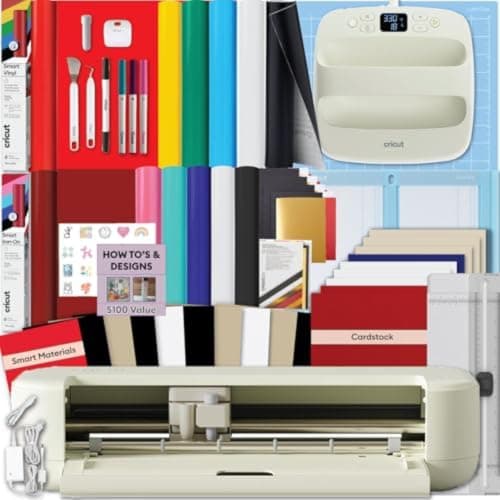
Cricut Explore 5 + EasyPress 9x9: 12 in cutter and press
See price on AmazonSee it on Amazon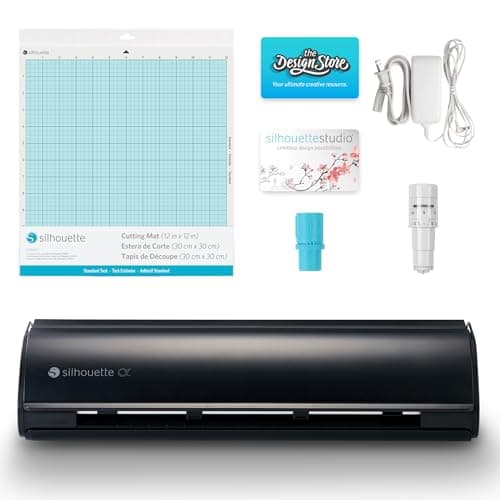
Silhouette Cameo 5 Alpha: 4-point registration for transfers
See price on AmazonSee it on Amazon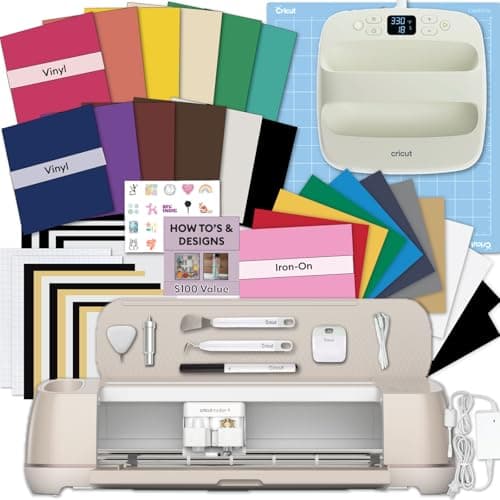
Cricut Maker 4 T-Shirt Bundle with EasyPress SE
See price on AmazonSee it on Amazon
Making vinyl shirts at home is one of the most common ways crafters turn a Cricut or Silhouette into income, whether through Etsy, local markets, team orders or school events. The equipment you need depends on how many shirts you plan to make. This page lays out a setup at three output levels, explains what each piece does, and suggests the order to buy in so money goes where it saves the most time. It covers the cutter, heat press, weeding and workspace tools, and supplies. It does not cover business licensing or taxes, which vary by state.
The core equipment
Every vinyl shirt goes through the same steps: cut the mirrored design, weed away the waste, place it on the shirt and press it. Each piece of equipment speeds up one of those steps. The cutter and press matter most, because they set quality and how many shirts you can finish in an hour.
- A cutting machine to cut heat transfer vinyl (HTV)
- A heat press to apply the vinyl evenly and consistently
- Weeding tools: hooks, tweezers and a good light
- Heat-resistant cover sheets, such as Teflon or parchment, and pressing pillows
- A T-shirt ruler or placement guide
- HTV in your core colors and blank shirts in common sizes
- Storage for vinyl rolls and finished orders
Three setups by output
Most people start at the first level and move up only when a specific step becomes the bottleneck. If weeding takes longer than cutting, a faster cutter will not help; better weeding setup and simpler designs will.
| Level | Cutter | Heat press | Good for |
|---|---|---|---|
| Starter | 12 in craft cutter (Cricut Explore or Maker, Silhouette Cameo) | Handheld press or 15 x 15 in clamshell | Family orders, small Etsy shop |
| Growing | Craft cutter with matless roll feeding, or a 24 in plotter | 15 x 15 in or 16 x 20 in swing-away | Team and school orders, weekly sales |
| Busy small shop | 24 in or wider roll-fed plotter with contour sensor | 16 x 20 in auto-open or pneumatic press | Regular bulk orders, wholesale |
Choosing the cutter
A 12 inch craft cutter cuts any typical shirt design in one piece and handles the occasional sticker or mug job too, which is useful for a mixed product line. Cricut Maker 3 and later and Explore 3 and later can cut Smart Iron-On without a mat, and the Silhouette Cameo 4 and 5 feed regular roll vinyl. That saves time on long runs. Compare them in best cutting machine for T-shirts and best Cricut machine.
A roll-fed vinyl plotter is built for vinyl. It feeds straight from the roll, cuts wider sheets, and, with sign software, makes weed borders and nested layouts that save material. It does not cut paper or fabric, so many shops keep a craft cutter alongside it. See how a vinyl cutter works and best vinyl cutter for small business.
Choosing the heat press
A good press makes more difference to a shirt business than an expensive cutter. Even heat and pressure across the whole design are what make HTV last through washing. Handheld presses such as the Cricut EasyPress are fine for small runs but need care with pressure and overlap on big designs. A 15 by 15 in clamshell or swing-away press covers most adult designs in one press and lets you repeat settings exactly.
Swing-away presses move the hot platen away from the shirt, which helps with placement and thicker items. Auto-open presses release on their own when the timer ends, which prevents scorched shirts when you are busy. For guidance, see EasyPress vs clamshell heat press, best heat press for T-shirts, best auto heat press and best commercial heat press.
Note.Heat presses reach temperatures that cause burns. Keep the press on a stable, heat-resistant surface, away from children and pets, and use the press's own safety features. Use the vinyl maker's published temperature, time and pressure.
Weeding, workspace and supplies
Weeding is often the slowest step. A pair of sharp weeding hooks, fine tweezers and good lighting help most. Some people use a light pad under the vinyl to see the cut lines. Design choices matter too: chunky fonts and fewer tiny pieces weed much faster than thin script.
Set up the workspace as a line: cutter, then a weeding table, then the press with a stack of blanks beside it. Store vinyl rolls on a wall rack or in bins so they do not get creased, and keep the press's cover sheets and pillows within reach. Use a heat settings chart for each vinyl you stock; our heat press settings tool lists published numbers for common HTV. Keep the vinyl label handy because the label wins if it differs.
What to buy first
For sizing designs across a range of shirts, see our shirt decal size chart. If you are weighing HTV against other methods for some products, HTV vs sublimation vs Infusible Ink explains the trade-offs.
- 1
Start with the cutter you already own, or a 12 inch craft cutter if you have none.
- 2
Buy a reliable 15 by 15 in heat press before upgrading anything else.
- 3
Add weeding tools, cover sheets and a placement guide.
- 4
Stock HTV in a few core colors and blanks in the sizes you sell most.
- 5
Upgrade to a roll-fed plotter or larger press only when one step clearly holds you back.
Frequently asked questions
Can I start a shirt business with a Cricut? Yes. Many home shirt businesses run on a Cricut Explore or Maker with a separate heat press. A plotter becomes worth it as volume grows.
Do I need a heat press or is an iron enough? An iron can work for a few shirts, but a heat press gives even heat and pressure, which makes vinyl last longer and saves time on every order.
What size heat press is best for shirts? A 15 by 15 in press covers most adult designs in one press. Larger presses help with oversized designs and bulk orders.
Should I buy a vinyl plotter or a Cricut first? For most beginners a craft cutter is the better start because it also cuts other materials. Move to a plotter when you mostly cut vinyl in volume.
What you need for this
- See price on AmazonAmazon
Cricut Explore 5 + EasyPress 9x9: 12 in cutter and press
From Best cutting machines for making T-shirts with iron-on and HTV
 See price on AmazonAmazon
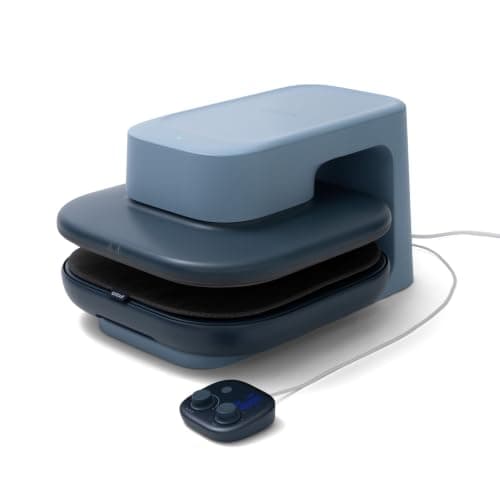
Cricut AutoPress 2 15x15: 220 lbs, 410°F, Bluetooth
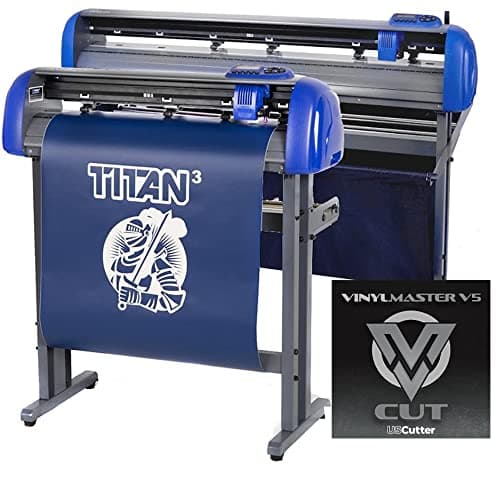 See price on AmazonAmazon
USCutter Titan 3: 28 in servo, ARMS contour, 750 g
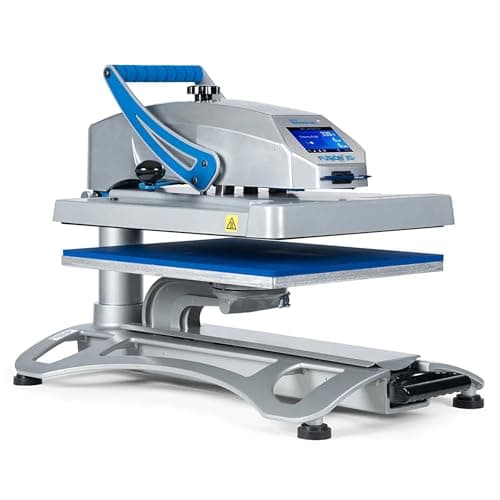 See price on AmazonAmazon
Hotronix Fusion IQ 16x20: swing and draw, live pressure readout
From Best commercial heat presses for small business: 15x15 to 16x24